
Diarrhea in calves
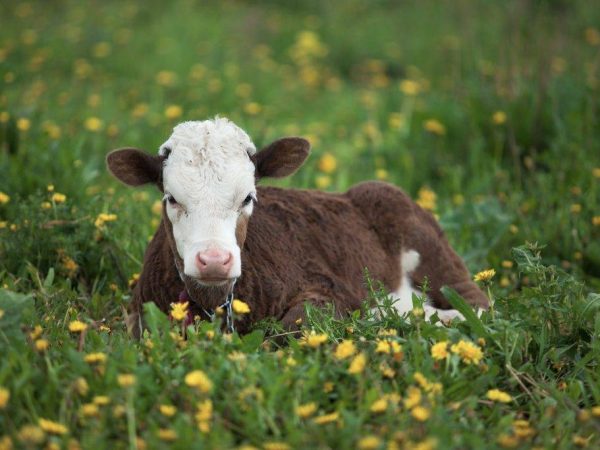
Diarrhea is one of the signs of a digestive disorder that is common in calves. Due to the disrupted water-electrolyte balance in calves, diarrhea leads to dehydration, weakening of the body and intoxication, and if not treated properly, it can lead to death. According to many studies, about 60% of deaths in young animals are caused by diarrhea.
Causes of diarrhea in calves
Stool disorders can have many causes, for example:
- improper feeding — consumption of poor-quality feed and milk replacers;
- underdeveloped immunity in calves;
- viruses — rotavirus, coronavirus;
- bacterial infections — Salmonella, enterotoxigenic E. coli, Clostridium;
- improper housing of animals — unsanitary conditions, a poor ventilation system;
- stress — transporting calves, the period of weaning from the cow;
- a sudden change in diet.
Ways to prevent diarrhea in calves
Diarrhea can be prevented by taking measures to strengthen young animals’ immunity and by observing care, sanitary and hygiene standards.
1
Measures to strengthen immunity should be taken even before calves are born, because a healthy cow gives birth to a healthy calf. During pregnancy, the cow’s body must be saturated with essential vitamins and minerals. This can be achieved with the AL KARAL feed additive, which contains more than 70 beneficial components. Pregnant cows should be given a dose of 0.15 ml per 1 kg of live weight per day. That is, 15 ml of AL KARAL is needed for every 100 kg of weight.
2
Exposure to pathogens begins the moment the calf is born. If the calving barn is not clean and dry, infection with disease-causing agents is likely. Therefore, it is necessary to make sure that cows calve in a clean environment. Feeding equipment must also be disinfected.
3
Feeding colostrum after birth is also one of the important factors in forming the calves’ immune system; unfortunately, many farmers neglect it. The mother’s colostrum contains high levels of nutrients and immunoglobulins. They are necessary for the gastrointestinal tract to adapt to the new diet and for young animals to develop. Calves should be fed 3 liters or more of colostrum immediately after birth, because the absorption of immunoglobulins decreases significantly over time.
4
To further strengthen the immune system, it is necessary to use feed additives with a rich nutrient composition. For example, humic and fulvic acids provide the body with a concentrated dose of all essential nutrients, vitamins and trace elements. Humic acids also have antibacterial properties, thanks to which they destroy pathogens in the gastrointestinal tract. Fulvic acids, in turn, remove toxins and heavy metals from the body. These properties ensure the proper functioning of the gastrointestinal tract and support the intestinal microflora.
Thanks to the properties described above, the AL KARAL feed additive based on humic and fulvic acids strengthens calves’ immunity.
It is recommended to add it to the calves’ diet in the following doses:
Up to 1 month — 0.15 ml per 1 kg of live weight, i.e. 15 ml of AL KARAL for every 100 kg of weight. After 1 month — 0.30 ml per 1 kg of live weight, i.e. 30 ml of AL KARAL for every 100 kg of weight.
5
Feeding time and temperature also play an important role. Livestock breeders are advised to follow the feeding schedule and to make sure the mixture is not below the calves’ body temperature (38.5–40 °C).
6
The calves’ living environment is an important factor in their health. Calves should be provided with a ventilated, warm room and good drainage under the bedding. All this creates the right microclimate for the calves’ development and prevents harmful bacteria from multiplying.
Following the standards for keeping young animals and strengthening their immunity with the AL KARAL feed additive will help you preserve and grow a healthy herd.
Sources:
[1] PubMed Central, “An overview of calf diarrhea – infectious etiology, diagnosis and treatment”, 2014.
[2] University of Minnesota Extension, “Causes of diarrhea in dairy calves and ways to prevent it”, 2019.
[3] Fermer Biledi, “Causes and treatment of diarrhea in young cattle”, 2015.
[4] Arman Mezgili, “Causes of diarrhea in a calf and how to treat it quickly and effectively at home”.


