
Brucellosis in cows
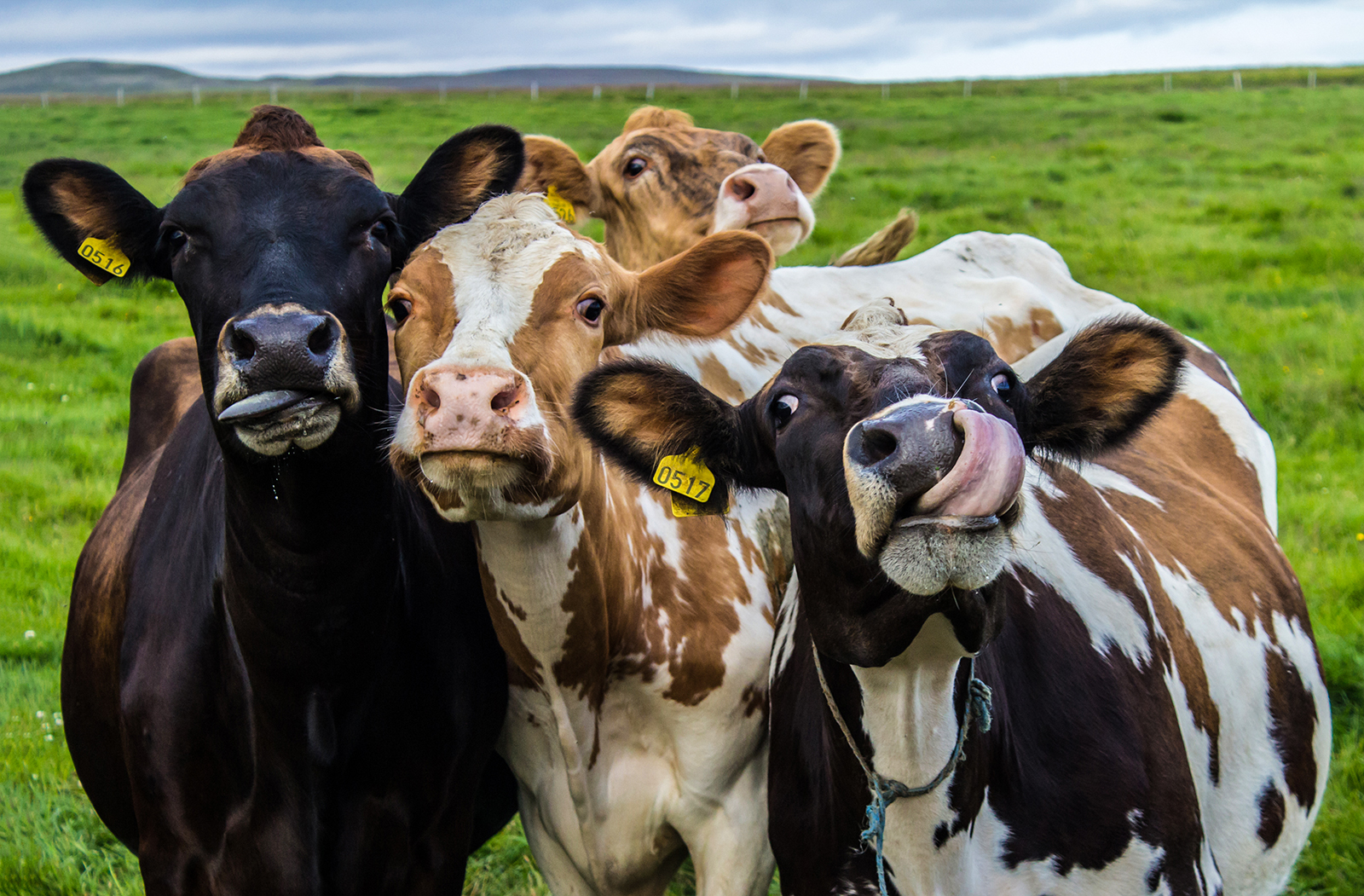
Brucellosis in cattle is an infectious disease caused by infection with bacteria of the Brucella group. When the bacterium enters the animal’s body and begins to develop, it affects the osteoarticular, cardiovascular and nervous systems. The disease has severe consequences for livestock products. All the bacteria that cause brucellosis persist in food (meat, milk) and in the skin and wool of animals, and they can remain viable for a long time. Because of this, there is a risk of these harmful bacteria entering the human body. Brucellosis also causes significant economic losses in livestock farming and has a significant impact on the international trade in animals.
The main source of brucellosis is sick cows. Cows do not die from brucellosis, but the disease reduces productivity and fertility and can also lead to people becoming infected. To prevent the spread of the disease and the death of calves, we recommend reviewing the following points:
1. Causes;
2. Stages of development;
3. Signs of brucellosis;
4. Prevention of the disease;
5. Methods of prevention.
Causes.
The causative agent of the disease is Brucella bacteria. All of them are resistant to low temperatures: when frozen, they survive for more than a year. In boiling water they die instantly. The infection is transmitted in various ways, but in most cases it enters the animal’s body by the fecal-oral route. Brucellosis can also be contracted in everyday life, when the infection gets onto a damaged mucous membrane.
Once in the digestive tract, the infection settles on the mucous membranes. The infection can also spread through the respiratory tract. Even contact with contaminated manure or urine can cause skin lesions. The carriers are bloodsucking insects, rodents and wild animals.
The most common source of infection is cows with brucellosis. During calving, the bacteria enter the environment with the amniotic fluid and the fetus, and later with urine and milk. Once inside the cow’s body, the infection passes into the mammary glands, spleen, liver and uterus, eventually provoking abortion.
Signs of brucellosis.
The main and obvious signs of brucellosis in cows:
► termination of pregnancy, mainly in the 7th month;
► stillbirth;
► development of bursitis on the cow’s legs (inflammation of the synovial bursa cavity);
► inflammation with abscess formation and swelling of the hind legs;
► decreased appetite, decreased activity and absence of cud chewing;
► rise in temperature;
► swelling of the mammary gland.
Prevention of brucellosis.
Monitor your livestock carefully and systematically. Cows must be brought in and purchased subject to veterinary examination and control.
Proper care is an important part of livestock welfare. Animals must be kept in conditions that meet basic hygiene standards, feed stocks must be properly kept and stored, and the barn must be cleaned periodically.
It is necessary to detect signs of infection in animals in good time, isolate those animals from the others and contact a veterinarian for an accurate diagnosis.
After getting rid of all sick animals, disinfect the barn and treat all equipment with a caustic soda solution (3%) or chlorine. If cows in the herd are sick, the calves should be raised in separate barns to prevent new infectious diseases. If a cow aborts, the barn must be disinfected and the fetus burned or buried in a safe place. The cow itself should be sent for diagnosis to prevent the disease.
Observe precautions when in contact with livestock: always work in gloves, wear rubber boots, and use special gowns and aprons.
Do not take cows to pastures on suspect farms or where unfamiliar cows graze.
AL KARAL feed additive
- helps improve digestion;
- binds and removes a wide range of toxins from the animal’s body;
- inhibits the development of bacteria and viruses.
Methods of prevention.
Generally, the treatment method is chosen depending on the severity of the disease. Antibiotics help eliminate the infection at the early stage of the pathogens’ multiplication and usually destroy up to 30% of the bacteria that inhabit the gastrointestinal tract.
However, the use of antibiotics can cause dysbiosis, i.e. disrupt the normal composition and functions of the intestinal microflora. Microflora altered by antibiotics cannot perform vital functions such as digestion, synthesis, etc. The consequences of these disrupted functions affect the whole body.
To further strengthen the immune system, it is necessary to use feed additives with a rich nutrient composition. For example, humic and fulvic acids provide the body with a concentrated dose of all the important nutrients, vitamins and trace elements. Humic acids also have antibacterial properties, thanks to which they neutralize pathogens in the gastrointestinal tract. Fulvic acids, in turn, are able to remove toxins and heavy metals from the body. Together, these properties ensure the proper functioning of the gastrointestinal tract and support the intestinal microflora.
Thanks to the properties listed above, the AL KARAL feed additive based on humic and fulvic acids helps strengthen the immune system and improve metabolism.
Sources:
[1] Novitsky A.A. Optimization of special measures against brucellosis in cattle. – 2018.
[2] Arakelyan P.K., Dimov S.K. Optimization of measures against brucellosis in farm animals under current conditions // Veterinariya. – 2013.
[3] Mukhin N.A. et al. Occupational diseases. – 2018.
[4] Shubina E.A. Brucellosis in cattle, diagnosis, specific prophylaxis.


